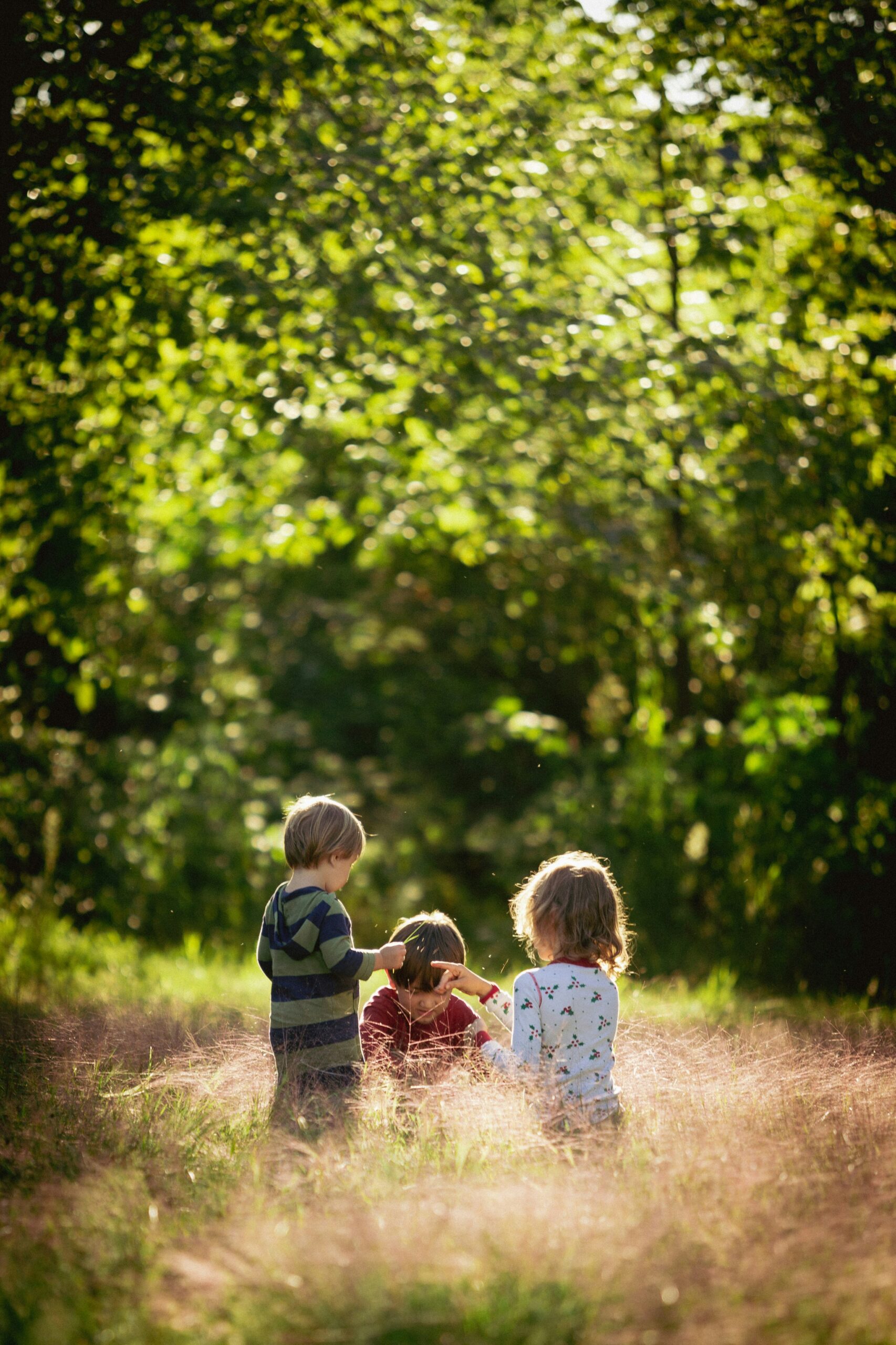
Place-based learning is more than taking students outside. It is a way of teaching that honours the land, builds relationships with place, and helps children understand that learning happens through connection (Kress & Horn-Miller, 2023). In a K–3 classroom, this looks like noticing seasonal changes, learning local plant names, listening closely to the sounds around us, and understanding that the land carries stories, knowledge, and histories.
For many educators, place-based learning becomes a shift in thinking. Instead of asking “What activity should I teach outside?” we begin asking “What is this place teaching us today?” This small shift opens the door to deeper learning grounded in respect, belonging, and relationship.
What Is Place-Based Learning?
Place-based learning connects curriculum to the local land, waters, and community. It emphasizes learning that is relevant, experiential, and rooted in the world immediately around students.
Sobel (2013) describes place-based education as an approach that uses the local community and environment as the foundation for teaching concepts in language arts, science, math, social studies, and more. Learning becomes real because students study the land they live on, not abstract ideas from far away.
This approach also aligns with the First Peoples Principles of Learning, which remind us that learning is experiential, holistic, relational, and connected to the land (FNESC, 2025). When we honour the land we learn on, we support students in developing gratitude, responsibility, and awareness.
Why It Matters for Young Learners
Young children naturally learn through curiosity and sensory exploration. Place-based learning recognizes that the land itself is a teacher.
Research shows that outdoor, land-connected learning increases engagement, creativity, and motivation in young students (Mann et al., 2022). When children explore their local environment, they develop a stronger sense of belonging and better understanding of ecological relationships.
Place-based learning also supports identity formation. Gruenewald (2003) argues that reconnecting learning to land helps students understand their role in caring for the environment and challenges narrow definitions of schooling that focus only on indoor, desk-based learning.
For K–3 students, this translates into simple but powerful routines:
- listening walks
- noticing seasonal changes
- caring for a school garden
- learning local plant and animal names
- exploring weather patterns
- using natural materials to learn math or literacy
- telling stories connected to place
These small moments help children feel grounded, capable, and connected.
What It Looks Like in a Primary Classroom
Place-based learning does not require a forest at your school. It simply requires intention. Here are examples you can introduce right away:
1. Begin With Acknowledgement
Start by acknowledging the traditional Indigenous territory you teach on. Invite students to learn local place names, languages, and stories.
This builds respect and awareness.
2. Create a “Sit Spot” Routine
Students find a quiet place outdoors to sit, breathe, observe, and listen. Over time they notice patterns and changes.
This supports self-regulation, attention, and gratitude.
3. Explore Local Plants and Animals
Learn the names of local trees, plants, and birds. Use field guides or apps.
Students begin to see the land as full of relationships.
4. Connect Curriculum to Place
Math: counting pinecones or measuring shadows
Literacy: nature journaling or descriptive writing
Science: studying seasonal cycles or decomposition
Social Studies: learning about local community and Indigenous histories
5. Learn Through Care
Tending a school garden, picking up litter, watering plants, or returning materials to their place all build stewardship.
Honouring the Land We Learn On
The heart of place-based learning is relationship. Children begin to understand that the land gives us stories, food, shade, air, and inspiration. In return, we show gratitude, curiosity, and care.
This is not a one-time lesson. It is a way of being with students. It teaches them that learning is not separate from the world. Learning happens through land, culture, history, and community.
As teachers, when we honour the land we learn on, we create a classroom that values connection, respect, and responsibility. And over time, we help children build a lifelong relationship with place.
References
First Nations Education Steering Committee (FNESC). (2025). About. https://www.fnesc.ca/
Gruenewald, D. A. (2003). Foundations of Place: A Multidisciplinary Framework for Place-Conscious Education. American Educational Research Journal, 40(3), 619–654. https://doi.org/10.3102/00028312040003619
Kress, M., & Horn-Miller, K. (Eds.). (2023). Land as relation: teaching and learning through place, people, and practices. Canadian Scholars, an imprint of CSP Books Inc.
Mann, J., Gray, T., Truong, S., Brymer, E., Passy, R., Ho, S., Sahlberg, P., Ward, K., Bentsen, P., Curry, C., & Cowper, R. (2022). Getting Out of the Classroom and Into Nature: A Systematic Review of Nature-Specific Outdoor Learning on School Children’s Learning and Development. Frontiers in Public Health, 10, 877058. https://doi.org/10.3389/fpubh.2022.877058
Sobel, D. (2013). Place-based education: connecting classrooms and communities (2nd ed.). Orion Society.