Grounded in Practice, Backed by Research
Outdoor learning isn’t just a trend, it’s a deeply researched, evidence-based approach that supports students’ cognitive, social, emotional, and physical growth. This page highlights some of the key ideas, frameworks, and readings that inform The Outdoor Classroom Hub and my own practice as a primary educator.
Learning on the Land
Research across Canada and beyond shows that when children learn outdoors, they develop stronger attention, motivation, and overall well-being (Mann et al., 2022; Children & Nature Network, 2025). Time outside supports physical literacy, social cooperation, and self-regulation which are all qualities that are often harder to cultivate in traditional indoor settings (Shanker, 2017).
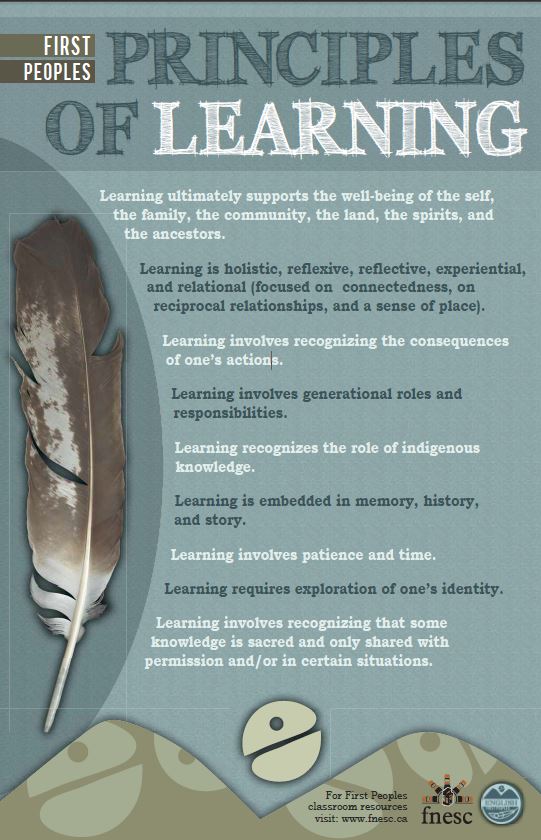
In the BC context, outdoor learning also connects directly to the Core Competencies and the First Peoples Principles of Learning, which emphasize holistic, experiential, and relationship-based learning (First Nations Education Steering Committee [FNESC], 2025). These principles remind us that learning happens through connection, to land, community, and self, and that every child’s story is part of a larger web of relationships.
Core Principles in Practice
We build our resources and philosophy on a few, powerful evidence-based pillars.
1. The Cognitive & Academic Benefits
Outdoor learning is more than just a “fun break.” It’s a powerful cognitive tool.
- Improved Focus & Reduced Mental Fatigue: Natural settings restore attention and reduce mental fatigue by giving the brain’s directed attention systems a rest (Berman et al., 2008). Regular time outdoors is also linked to reduced symptoms of ADHD and improved executive functioning (Mann et al., 2022).
- In Your Classroom: A 15-minute “Sit Spot” session after recess can be a powerful transition tool, preparing the brain for an afternoon of literacy or math.
- Enhanced Creativity & Problem-Solving: Unstructured environments encourage open-ended play and inquiry, which are essential for developing flexible thinking, creativity, and problem-solving skills (Louv, 2008).
- In Your Classroom: Pose challenges like, “build a structure that can hold a pinecone,” to build problem-solving and teamwork.
2. Social-Emotional & Physical Well-Being
The outdoors is the ultimate classroom for the heart and body.
- Developing Resilience through Risk: Research on risky play shows that manageable, self-directed challenges in nature build confidence, self-awareness, and emotional resilience (Brussoni et al., 2015; Canadian Paediatric Society, 2024). Encouraging children to assess and manage small risks helps them develop judgment and independence.
- In Your Classroom: Shift your language from “Be careful!” to “What’s your plan?” This empowers children to assess situations themselves.
- Cooperation & Reduced Conflict: The open-ended nature of outdoor play naturally promotes negotiation, empathy, and communication. Studies show that outdoor environments reduce social tension and increase cooperative play among peers (Children & Nature Network, 2025).
3. Place-Based & Indigenous Ways of Knowing
We honour the land as our first teacher.
- Connection Fosters Stewardship:Place-based education, which grounds learning in local phenomena and relationships, deepens student engagement and cultivates lifelong environmental responsibility (Sobel, 2013). When children develop personal connections to a place, they are more likely to care for it.
- Learning from the First Peoples Principles of Learning: These principles, articulated by First Nations in British Columbia, are not just for Indigenous students; they are teachings for all learners. Principles such as “Learning ultimately supports the well-being of the self, the family, the community, the land, the spirits, and the ancestors” and “Learning is holistic, reflexive, reflective, experiential, and relational” are naturally embodied through outdoor learning (FNESC, 2025).
Featured Research Summaries
1. The Cognitive and Social Benefits of Outdoor Learning
Source: Mann, J., Gray, T., Truong, S., Brymer, E., Passy, R., Ho, S., Sahlberg, P., Ward, K., Bentsen, P., Curry, C., & Cowper, R. (2022). Getting Out of the Classroom and Into Nature: A Systematic Review of Nature-Specific Outdoor Learning on School Children’s Learning and Development. Frontiers in Public Health, 10, 877058. https://doi.org/10.3389/fpubh.2022.877058
This large-scale review examined 147 studies on nature-specific learning across multiple countries. The findings show that regular outdoor learning improves attention, creativity, problem-solving, and social cooperation while reducing stress and behavioral challenges. Time outdoors directly supports both academic achievement and emotional well-being. Students who regularly learn in nature demonstrate stronger collaboration, higher engagement, and deeper curiosity which are key goals in BC’s Core Competencies.
2. Risky Play and Healthy Development
Source: Brussoni, M., Gibbons, R., Gray, C., Ishikawa, T., Sandseter, E., Bienenstock, A., Chabot, G., Fuselli, P., Herrington, S., Janssen, I., Pickett, W., Power, M., Stanger, N., Sampson, M., & Tremblay, M. (2015). What is the Relationship between Risky Outdoor Play and Health in Children? A Systematic Review. International Journal of Environmental Research and Public Health, 12(6), 6423–6454. https://doi.org/10.3390/ijerph120606423
This Canadian-led study analyzed evidence on children’s engagement in “risky play” such as climbing, exploring, or using loose parts outdoors. It found that manageable risk promotes confidence, resilience, and physical activity while not increasing serious injury rates. Risk is not the opposite of safety, it is part of learning. Encouraging children to assess challenges themselves builds independence and self-awareness. Support this through conversations like, “What’s your plan?” instead of “Be careful!”
3. The Power of Place-Based Learning
Source: Sobel, D. (2013). Place-based education: Connecting classrooms and communities. The Orion Society.
Sobel’s work emphasizes learning rooted in local places, cultures, and ecosystems. His findings show that when students study and contribute to their immediate environment, they gain a stronger sense of identity, belonging, and environmental stewardship. Place-based education nurtures empathy, care for the land, and civic responsibility. When students understand where they live, the plants, animals, waters, and stories, they develop pride in community and a lasting sense of stewardship.
Further Reading & Reputable Sources
Deepen your knowledge with these trusted organizations and authors.
- Children & Nature Network: Research, policy briefs, and classroom tools connecting children to the natural world.
- Outside Play: Blog dedicated to helping parents, educators, and caregivers gain the confidence and skills to support children’s outdoor play.
- First Nations Education Steering Committee (FNESC): Resources for integrating Indigenous perspectives and the First Peoples Principles of Learning.
- Strong Nations: Indigenous-owned publisher and retailer offering authentic resources for educators.
- Metro Vancouver’s Get Outdoors!: Educational resource that provides guidance for teachers of all grade levels to take students outside.
References
Brussoni, M., Gibbons, R., Gray, C., Ishikawa, T., Sandseter, E., Bienenstock, A., Chabot, G., Fuselli, P., Herrington, S., Janssen, I., Pickett, W., Power, M., Stanger, N., Sampson, M., & Tremblay, M. (2015). What is the Relationship between Risky Outdoor Play and Health in Children? A Systematic Review. International Journal of Environmental Research and Public Health, 12(6), 6423–6454. https://doi.org/10.3390/ijerph120606423
Canadian Paediatric Society. (2024, January 25). Healthy childhood development through outdoor risky play: navigating the balance with injury prevention. https://cps.ca/en/documents/position/outdoor-risky-play
Children & Nature Network. (2025).The benefits of nature. https://www.childrenandnature.org/the-benefits-of-nature/
First Nations Education Steering Committee (FNESC). (2025). About. https://www.fnesc.ca/
Louv, R. (2008). Last child in the woods: saving our children from nature-deficit disorder. Algonquin Books.
Mann, J., Gray, T., Truong, S., Brymer, E., Passy, R., Ho, S., Sahlberg, P., Ward, K., Bentsen, P., Curry, C., & Cowper, R. (2022). Getting Out of the Classroom and Into Nature: A Systematic Review of Nature-Specific Outdoor Learning on School Children’s Learning and Development. Frontiers in Public Health, 10, 877058. https://doi.org/10.3389/fpubh.2022.877058
Shanker, S. (2017). Self-Reg: How to help your child (and you) break the stress cycle and successfully engage with life. Penguin Random House Canada.
Sobel, D. (2013). Place-based education: Connecting classrooms and communities. The Orion Society.